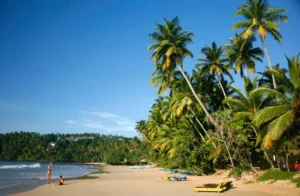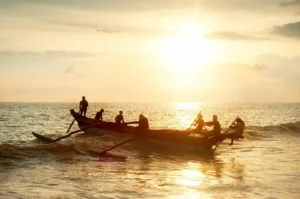
When people think of Sri Lanka, they often picture palm-fringed beaches, ancient temples, or fragrant cups of Ceylon tea. But this island is also one of the best places in Asia for wildlife safaris. From the iconic Asian elephant to the elusive leopard, from vibrant birds to mighty blue whales, Sri Lanka is bursting with biodiversity. With more than 20 national parks packed into a relatively small island, you don’t need to travel far to see spectacular wildlife. And unlike some of the larger safari destinations in Africa, Sri Lanka’s parks feel more intimate and accessible, making them ideal for first-time safari-goers.
Why Choose Sri Lanka for Safaris?
Sri Lanka is a biodiversity hotspot recognised by UNESCO. The island’s ecosystems range from rainforests and wetlands to dry plains and coastal waters, supporting an incredible variety of animals. Here’s what makes Sri Lankan safaris special:
- Compact and accessible: Major national parks are only a few hours apart, so you can combine safaris with beaches and cultural tours.
- High chances of sightings: Some parks, like Yala, have the world’s highest density of leopards.
- Year-round opportunities: Because of the island’s varied climates, there’s always somewhere in season.
- Diverse experiences: Whether you’re into elephants, big cats, birdwatching, or whales, Sri Lanka has it all.
Iconic Wildlife of Sri Lanka
The Sri Lankan Elephant
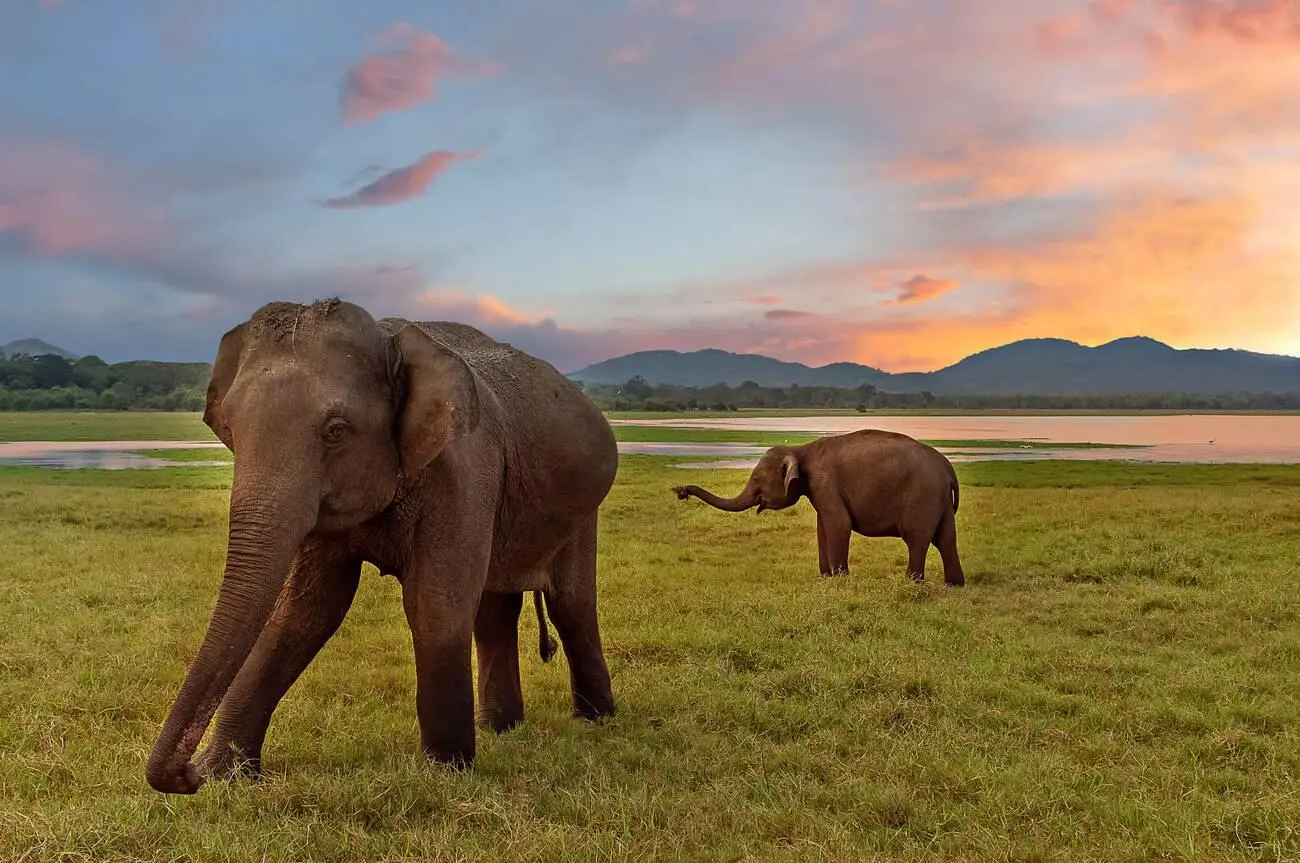
A subspecies of the Asian elephant, these gentle giants roam freely in several parks. Udawalawe and Minneriya are famous for their elephant herds. Each year between July and September, Minneriya witnesses “The Gathering,” when hundreds of elephants come together around a single reservoir — one of the largest gatherings of wild elephants anywhere in the world.
The Sri Lankan Leopard
Small but powerful, the Sri Lankan leopard is the island’s apex predator. Yala National Park offers the best chance of spotting them, with the highest leopard density in the world. Wilpattu is another top location, quieter and wilder.
Sloth Bear
A rare sighting but unforgettable. Sloth bears are mostly nocturnal and feed on termites and fruit. They’re found mainly in Wilpattu and Yala.
Birdlife
Sri Lanka is a paradise for birdwatchers, with over 400 species including 33 endemics. Look out for the Sri Lanka junglefowl, crimson-fronted barbet, and colourful kingfishers. Migratory birds arrive between November and March.
Marine Life
Few countries can offer both land and sea safaris. Off the coast of Mirissa and Trincomalee, you can spot blue whales — the largest animals on Earth — along with sperm whales and playful pods of dolphins.
Best National Parks for Safaris
- Yala National Park: The most famous and most visited park. Known for leopards, but also home to elephants, sloth bears, crocodiles, and birdlife. Best time: Feb–July.
- Minneriya National Park: Famous for “The Gathering” of elephants (July–Sept). Great for wildlife photographers.
- Udawalawe National Park: Often called the best place to see elephants year-round. Family-friendly, less crowded than Yala.
- Wilpattu National Park: The largest park in Sri Lanka, known for its natural lakes. Remote, peaceful, and ideal for spotting leopards without the crowds.
- Bundala National Park: A Ramsar wetland site, excellent for birdwatching. Flamingos, pelicans, and migratory waterbirds are highlights.
- Horton Plains National Park: Not a safari park in the traditional sense, but perfect for hikers looking to spot deer, monkeys, and rare highland birds.
Best Time for Wildlife Safaris
- Elephants: July–September is peak season at Minneriya, but Udawalawe offers sightings year-round.
- Leopards: Best spotted in the dry season (Feb–July) when vegetation is thinner and animals gather near water.
- Birds: November–March is prime time for migratory birds, especially at Bundala.
- Marine Life:
- South Coast (Mirissa): November–April for blue whales and dolphins.
- East Coast (Trincomalee): May–October for sperm whales and dolphins.
Tip: No matter when you visit, you can always find a park or coast in season.
The Safari Experience – What to Expect
Sri Lankan safaris are adventurous but less formal than African game drives. Here’s what you can expect:
- Vehicles: Open jeeps with space for photography and wildlife viewing.
- Guides: Local guides who know the terrain and animal behaviour.
- Times: Early morning and late afternoon safaris are best, when animals are most active.
- Duration: Half-day or full-day safaris are available.
- Atmosphere: Rustic and close to nature — don’t expect luxury lodges in every park, though some boutique safari camps do exist.
Practical Safari Tips
- Clothing: Wear neutral colours (khaki, beige, green) to blend with the environment. Avoid bright colours.
- Gear: Bring binoculars, camera, sunscreen, hat, and plenty of water.
- Booking: Use licensed and responsible safari operators. Ethical practices are important — overcrowded jeeps can stress the animals.
- Behaviour: Keep a safe distance, avoid loud noises, and never feed wildlife.
- Plan smart: Combine safaris with nearby attractions — for example, Yala with Galle or Udawalawe with Ella.
Conclusion
Sri Lanka is one of the few places in the world where you can watch elephants gather in the hundreds, spot leopards lounging in the sun, and then head to the coast for whale watching — all within a single trip. Whether you’re a wildlife photographer, a nature enthusiast, or simply someone who wants to add adventure to your holiday, a safari in Sri Lanka will leave you with unforgettable memories.
Ready to experience the wild side of Sri Lanka? Jullie’s Tours offers tailor-made safari packages that take you deep into the country’s most iconic parks, ensuring you get the best chance to see elephants, leopards, birds, and even whales — all while travelling responsibly.